Hermitage of Saiano

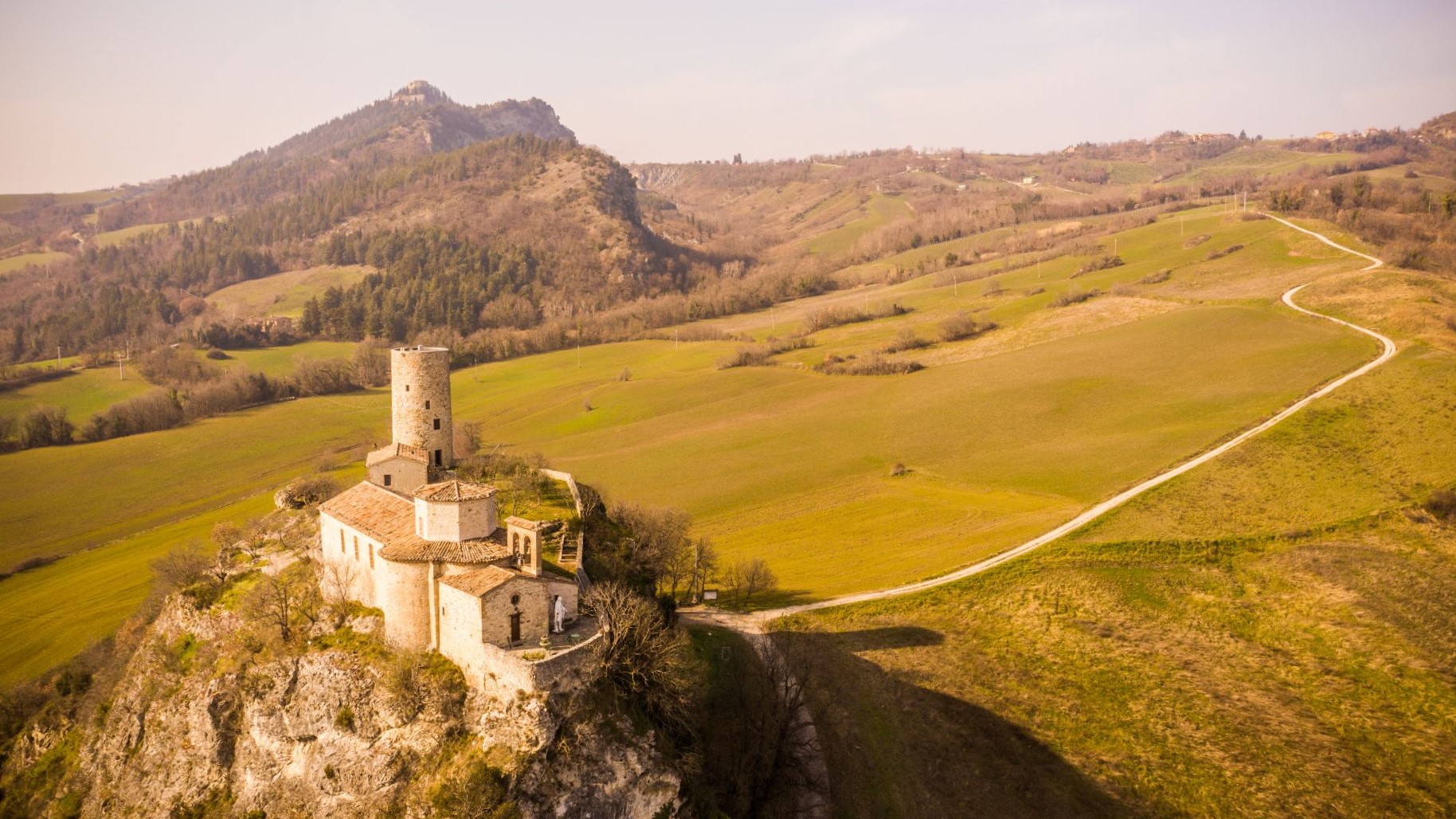
This small sanctuary at the foot of Montebello has been a place of spirituality and prayer for centuries.

The name Saiano comes from the Latin Saxum Jani, “stone of Janus”, and testifies to the presence since ancient times of a temple dedicated to Janus, god of new beginnings.

The church that stands there today was built in the 14th century, and since then it has been a destination of pilgrimage and an oasis of tranquillity in contact with nature.
The Castle of Torriana

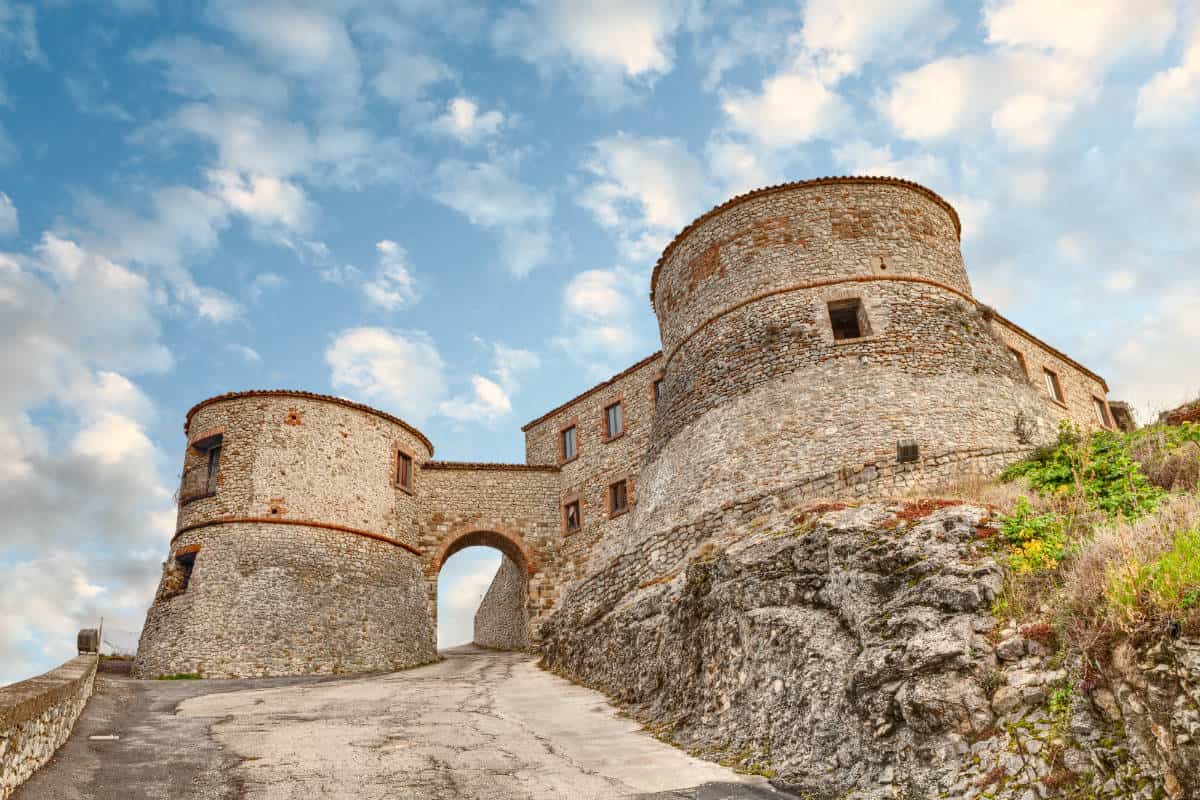
In the heart of Valmarecchia, where the plain gives way to the hills, stands the village of Torriana, formerly known as Scorticata (“scraped”) due to the rugged appearance of the rock on which it is built.

In the Middle Ages it was a proper castle, with defensive walls and watchtowers. It is said that in its basement Gianciotto Malatesta was murdered, the man who years before had killed Paolo and Francesca, the two tragic lovers of Dante’s Divine Comedy.

Today only the inner fortress survives, welcoming and fascinating visitors with its ancient entrance gate and its two majestic circular towers, witnesses of the golden age of Romagna’s castles.

Verucchio

The history of Verucchio is more ancient than one might expect from this quiet town: already in the Iron Age, between the 9th and 6th centuries BC, Verucchio was a thriving centre of the Villanovan civilisation, a proto-Etruscan Italic people.

Terracotta vases, fine wooden furniture, precious clothes, and jewels are just some of the rich Villanovan funerary objects exhibited at the Archaeological Museum.

However, the archaeological aspect is not the only interesting aspect of Verucchio: don’t miss a visit to the “Rocca del Sasso”, one of the best-preserved medieval fortresses in the region.

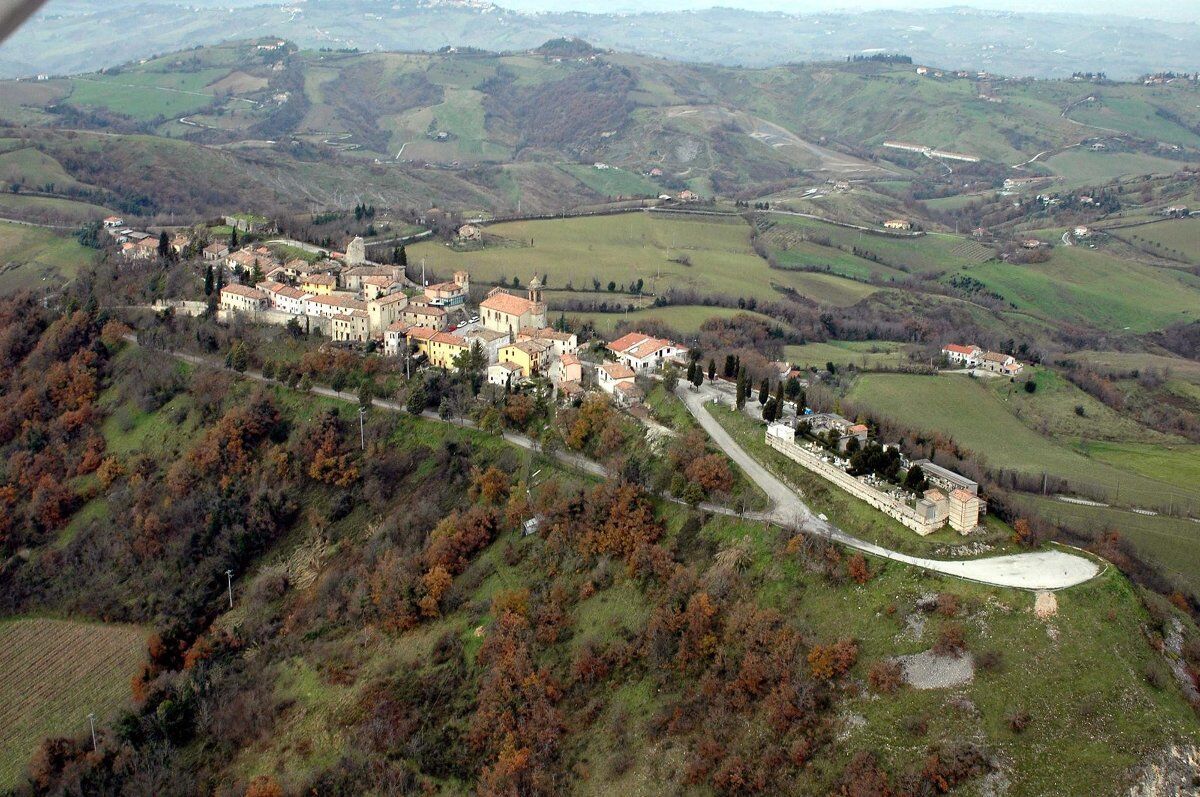
San Giovanni in Galilea

Picturesque village of just about fifty inhabitants, San Giovanni in Galilea enchants with its atmosphere suspended in time and its 360° panorama of Romagna: on one side the mountains, Carpegna, San Marino and San Leo; on the other the seacoast, from the shores of Ravenna to Gabicce.

The cemetery is also worth a visit, a small unexpected jewel, described by the poet Tonino Guerra as a “flying carpet over the Montefeltro region”.

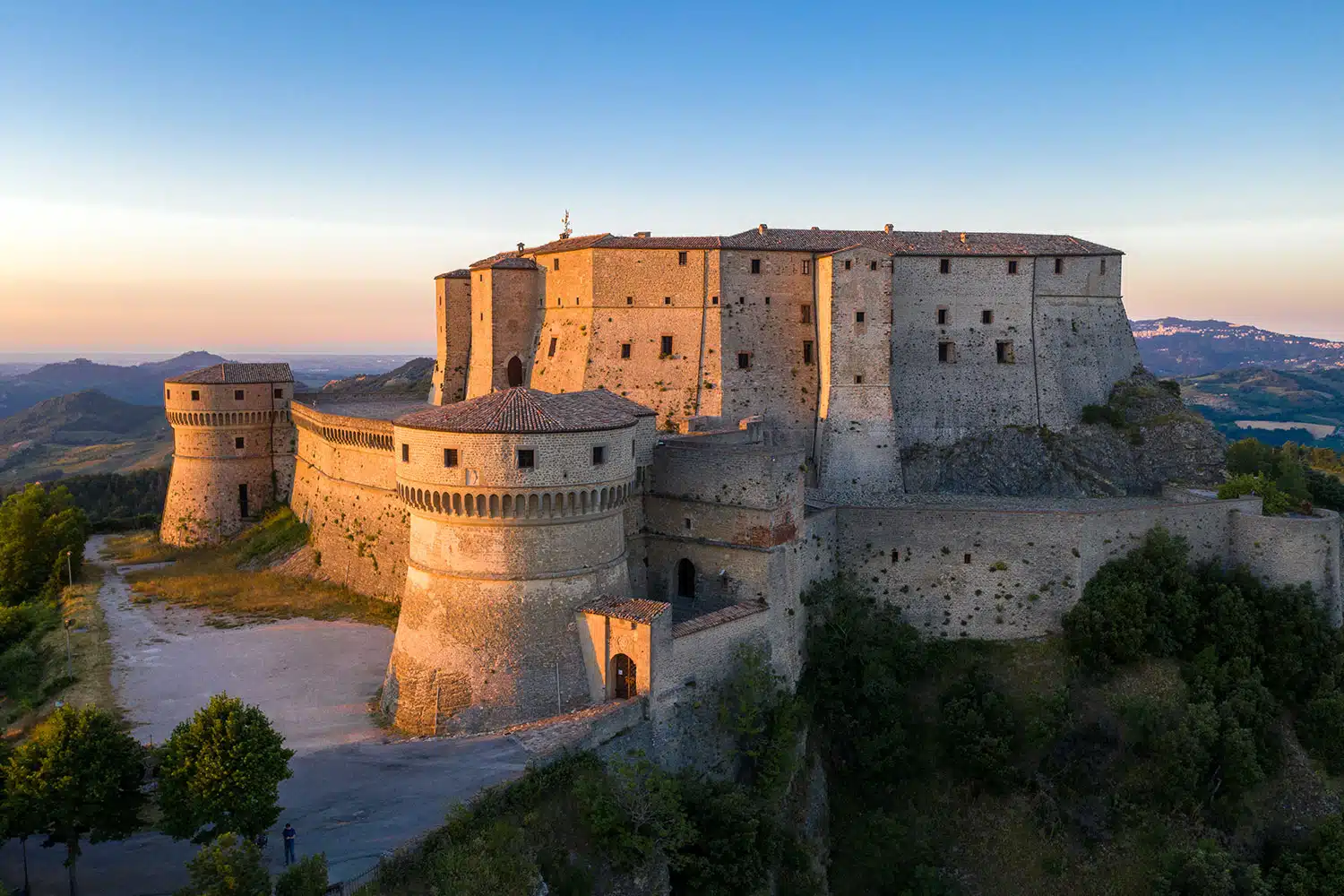
San Leo

When asked what the most beautiful village in Italy was, the Italian writer Umberto Eco replied, “San Leo, a fortress and two churches”.

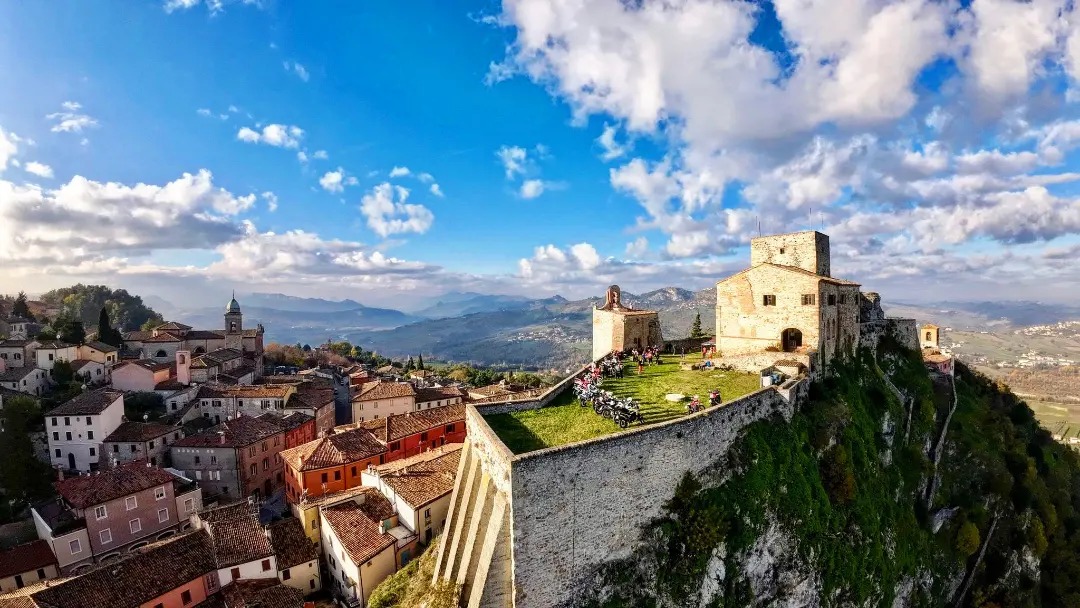
An eagle’s nest perched on a rock with steep walls, San Leo is certainly a must-see in Romagna. Its fifteenth-century fortress is a military masterpiece, famous for its past as a papal prison and for one prisoner in particular: Cagliostro, an esoteric alchemist and swindler, condemned for heresy by the Holy Inquisition, who died in the narrowest cell of the fort.

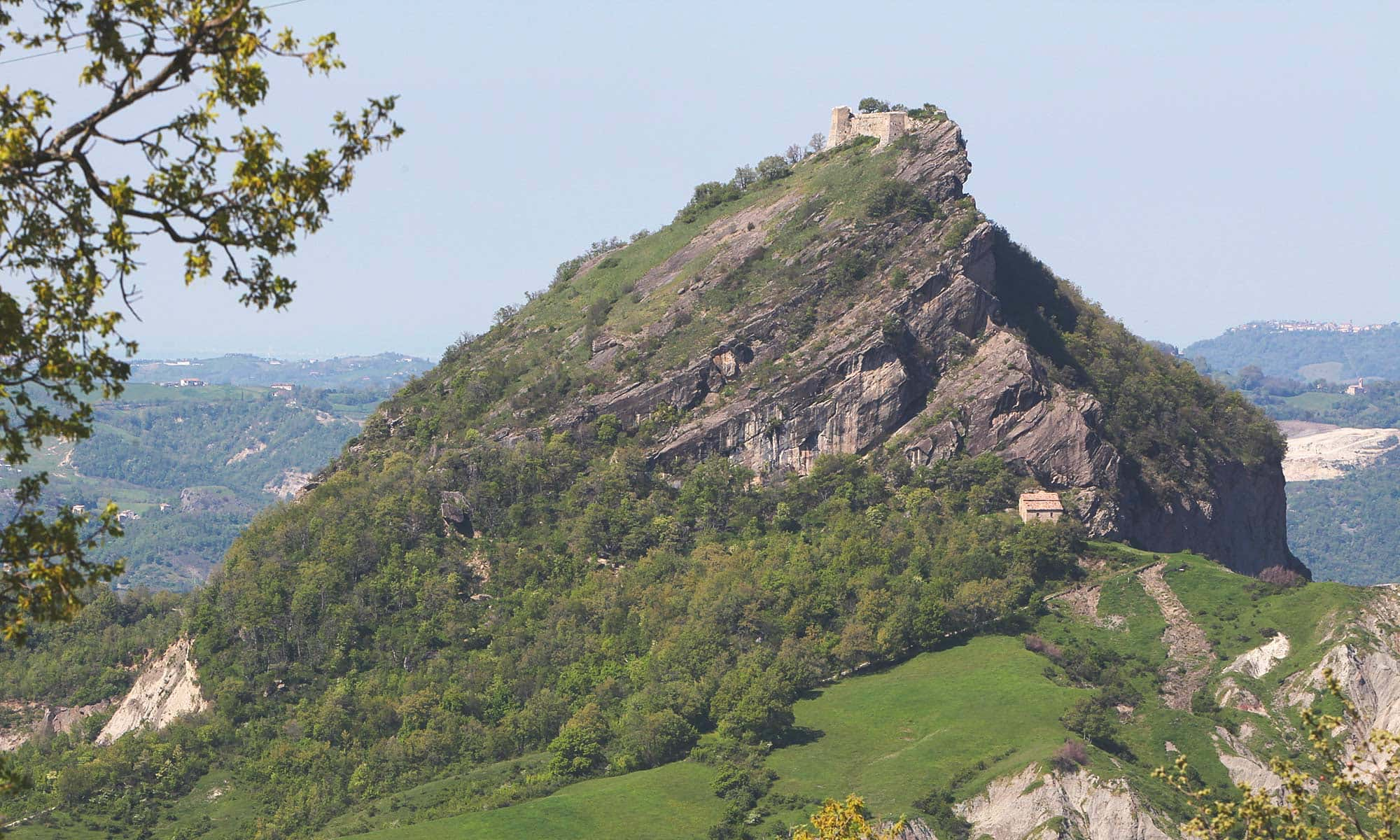
The Fort of Maioletto

Only a few ruins survive of what was once an impregnable fortress, which today is reachable only by trekking routes.

The destruction of the fortress and village occurred in 1700 due to a landslide after days of torrential rains. According to popular legends, the disaster was nothing more than a divine punishment towards the inhabitants of the village, guilty of having participated in forbidden pagan rites.